
High-Reliability & Zero-Downtime Power
Resilient power architectures engineered to keep mission-critical operations running without interruption.
Request Consultation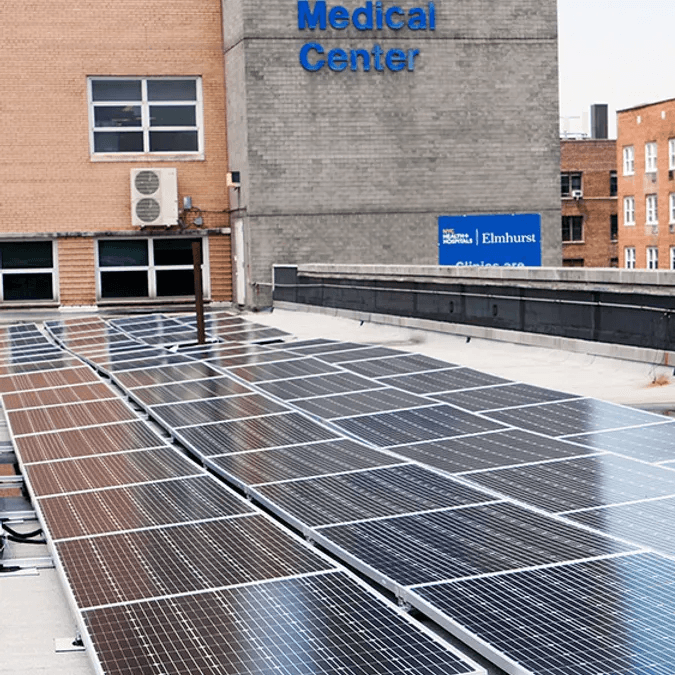
- Overview
- UPS-Integrated Solar Systems
- Critical Facility Backup Systems
- Battery Energy Storage Systems (BESS)
- Redundant Power Architectures
- Critical Load Identification
- Autonomy & Backup Duration Sizing
- N+1 Redundancy Design
- Power Quality Assessment
- Seamless Transfer Systems
- Black-Start Capability
- Dynamic Load Prioritization
- Mission-Critical Energy Management
- Typical Applications
- Request Consultation
Overview
Critical facilities cannot tolerate power interruptions — even milliseconds of downtime can mean lost data, safety risks, or significant financial loss. HelioVolt designs redundant, fault-tolerant power systems that guarantee continuity of supply for the operations that can least afford to stop.
UPS-Integrated Solar Systems
UPS-integrated solar systems combine photovoltaic generation, battery storage, and uninterrupted power supply technology to ensure continuous operation of critical loads during grid disturbances and outages. These solutions reduce dependence on conventional backup systems while lowering operating costs and increasing energy resilience for mission-critical facilities.
Critical Facility Backup Systems
Critical facility backup systems provide reliable emergency power for hospitals, data centers, telecom infrastructure, financial institutions, and industrial processes where power interruptions are unacceptable. Engineered with redundant architectures and intelligent controls, these systems ensure business continuity under all operating conditions.
Battery Energy Storage Systems (BESS)
Battery Energy Storage Systems store excess energy and instantly deliver power when needed, improving reliability, reducing demand charges, and supporting renewable energy integration. BESS solutions play a key role in modern energy infrastructure by enhancing resilience and enabling advanced energy management strategies.
Redundant Power Architectures
Redundant power architectures utilize multiple independent power sources to eliminate single points of failure. Through N+1 and 2N system designs, facilities can maintain continuous operation even during equipment failures, maintenance activities, or utility disruptions.
Critical Load Identification
Critical load identification analyzes facility operations to determine which equipment and processes require uninterrupted power. This engineering process ensures backup resources are allocated efficiently while optimizing project costs and reliability.
Autonomy & Backup Duration Sizing
Proper autonomy sizing determines the required battery and backup capacity needed to sustain operations during power outages. Engineering studies consider load profiles, outage frequency, and operational priorities to achieve the ideal balance between reliability and investment cost.
N+1 Redundancy Design
N+1 redundancy design provides an additional backup component beyond the minimum required system capacity. This approach significantly improves system reliability and is widely used in critical infrastructure and mission-critical power applications.
Power Quality Assessment
Power quality assessments identify voltage fluctuations, harmonics, frequency deviations, and transient disturbances that may impact sensitive equipment. The results guide the design of solutions that improve electrical stability and equipment performance.
Seamless Transfer Systems
Seamless transfer systems ensure uninterrupted power transition between utility, battery, and generator sources without affecting connected loads. These solutions are essential for facilities where even milliseconds of downtime can have significant consequences.
Black-Start Capability
Black-start capability enables facilities and microgrids to restore operations independently following a complete power outage. Advanced control systems coordinate generation and storage assets to restart electrical networks without external utility support.
Dynamic Load Prioritization
Dynamic load prioritization automatically allocates available power to the most critical loads during emergency conditions. Intelligent controls optimize energy distribution while protecting essential operations.
Mission-Critical Energy Management
Mission-critical energy management platforms continuously monitor and optimize power sources, loads, and storage assets to ensure maximum reliability, resilience, and operational continuity.
Typical Applications
Cleaning Solutions
NextIndustrial & Commercial Hybrid Energy