
Industrial & Commercial Hybrid Energy
Hybrid generation systems that cut fuel costs and demand charges for factories, warehouses, and commercial sites.
Request Consultation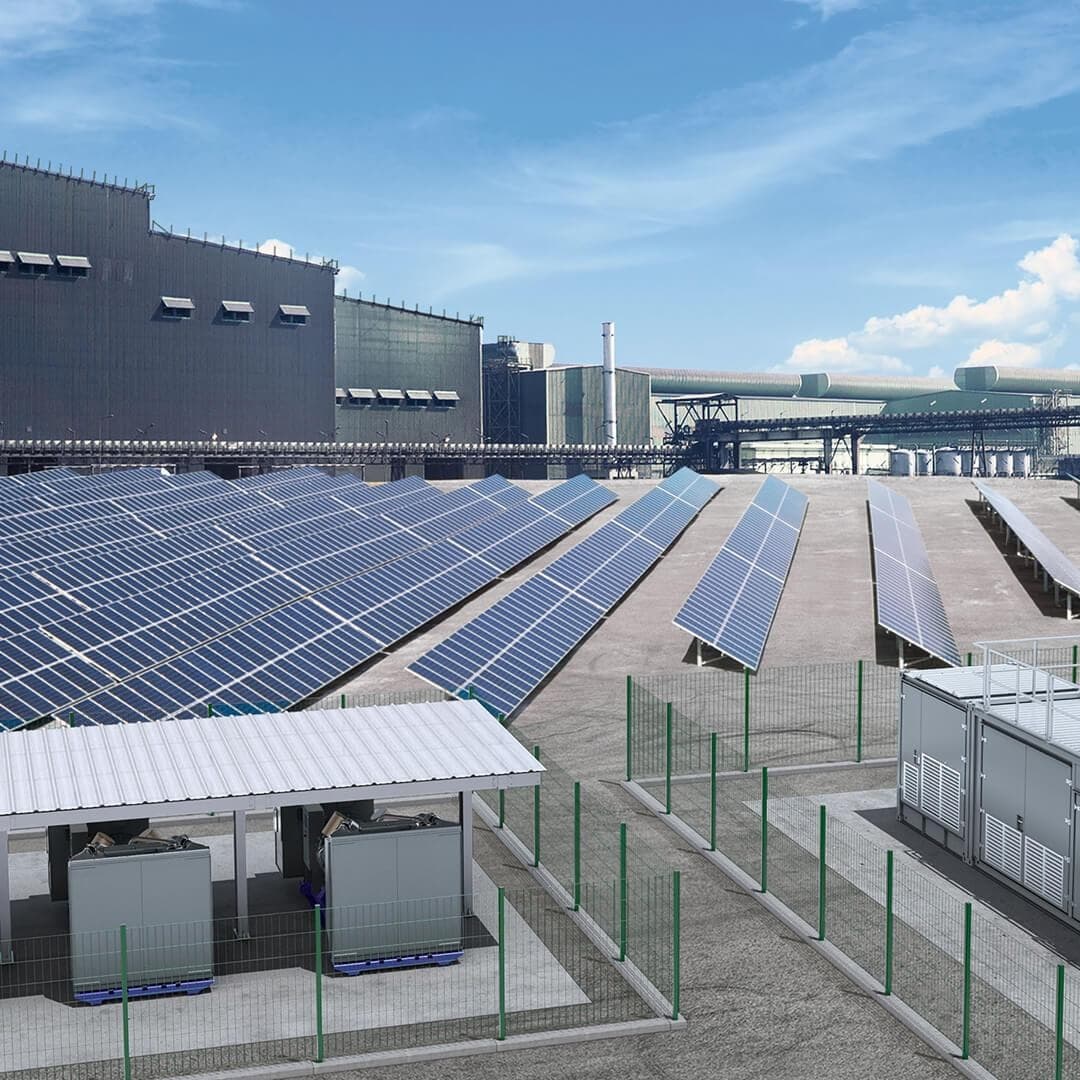
- Overview
- kW-Scale Hybrid Systems
- MW-Scale Hybrid Systems
- Grid-Tied Hybrid Systems
- Peak Shaving Systems
- Diesel-Solar-BESS Optimization
- Load Profiling & System Sizing
- Fuel Reduction Strategies
- Demand Charge Reduction
- Grid Instability Compensation
- Dynamic Energy Management Logic
- Multi-Source Control Architecture
- Real-Time Dispatch Optimization
- Typical Applications
- Request Consultation
Overview
Industrial and commercial sites face rising energy costs, unreliable grid supply, and growing pressure to reduce emissions. HelioVolt integrates solar, storage, and conventional generation into intelligently managed hybrid systems that lower costs while improving reliability.
kW-Scale Hybrid Systems
Designed for commercial buildings, small industries, hotels, offices, and retail facilities, kW-scale hybrid energy systems combine solar PV, battery storage, and grid or generator backup into a single intelligent energy platform. These systems reduce electricity costs, improve energy reliability, and provide backup power during outages while maintaining a rapid return on investment. Our solutions are engineered to optimize energy consumption, minimize peak demand charges, and maximize solar self-consumption.
MW-Scale Hybrid Systems
MW-scale hybrid energy systems provide large industrial facilities, manufacturing plants, mining operations, and industrial parks with a reliable and cost-effective energy supply. By integrating utility power, solar generation, battery energy storage systems (BESS), and conventional generation assets, these solutions reduce operational costs, improve power quality, and support long-term energy security. Advanced controls continuously optimize energy dispatch based on load demand, energy prices, and operational priorities.
Grid-Tied Hybrid Systems
Grid-tied hybrid systems combine solar generation and battery storage with the utility grid, allowing facilities to draw on whichever source is most cost-effective at any given moment while exporting surplus energy where permitted.
Peak Shaving Systems
Peak shaving systems use battery storage to reduce demand spikes during high-consumption periods, lowering demand charges and easing strain on facility electrical infrastructure.
Diesel-Solar-BESS Optimization
Diesel-Solar-BESS optimization combines renewable generation, battery storage, and diesel generators into a coordinated energy architecture that minimizes fuel consumption while maintaining reliability. Through intelligent control strategies, the system prioritizes solar generation and battery discharge while reducing generator runtime, resulting in lower operating costs, reduced emissions, and extended equipment life.
Load Profiling & System Sizing
Accurate load profiling and system sizing form the foundation of every successful energy project. Our engineering team analyzes consumption patterns, demand peaks, operational schedules, and future expansion requirements to determine the optimal balance of solar generation, battery storage, grid interaction, and backup power. This ensures maximum performance and investment efficiency throughout the project lifecycle.
Fuel Reduction Strategies
Fuel reduction strategies focus on minimizing diesel and fossil-fuel consumption through optimized renewable energy integration and advanced energy management systems. By maximizing solar utilization, improving battery cycling efficiency, and reducing generator operating hours, organizations can significantly decrease operating expenses and carbon emissions without compromising reliability.
Demand Charge Reduction
Demand charge reduction strategies use storage dispatch and load management to keep peak demand below costly utility billing thresholds, lowering monthly energy bills.
Grid Instability Compensation
Grid instability compensation solutions protect facilities from voltage fluctuations, frequency deviations, short outages, and poor power quality conditions. Advanced power electronics and battery storage systems react within milliseconds to stabilize critical loads, improve equipment performance, and ensure uninterrupted operation in regions with unreliable utility infrastructure.
Dynamic Energy Management Logic
Dynamic Energy Management Systems (EMS) continuously monitor energy production, consumption, storage status, and grid conditions to optimize power flow in real time. Intelligent algorithms automatically determine the most economical and reliable energy source, reducing operating costs while improving overall system performance and resilience.
Multi-Source Control Architecture
Multi-source control architecture enables seamless coordination between solar PV, battery storage, utility grids, generators, and other distributed energy resources. Centralized control platforms manage energy dispatch, source prioritization, and operational modes, creating a flexible and scalable energy ecosystem capable of adapting to changing operational requirements.
Real-Time Dispatch Optimization
Real-time dispatch optimization continuously recalculates the most efficient energy source mix as conditions change, maximizing renewable utilization and minimizing cost on a moment-by-moment basis.
Typical Applications
High-Reliability & Zero-Downtime Power
NextMicrogrid Energy Solutions